Tournament Trails in UK Online Bingo: Pattern Plays and the Pursuit of Massive Jackpots
Written by Yves Jung · Apr 1, 2026

Tournament Trails in UK Online Bingo: Pattern Plays and the Pursuit of Massive Jackpots
Tracing the Rise of Tournament Trails in UK Online Bingo
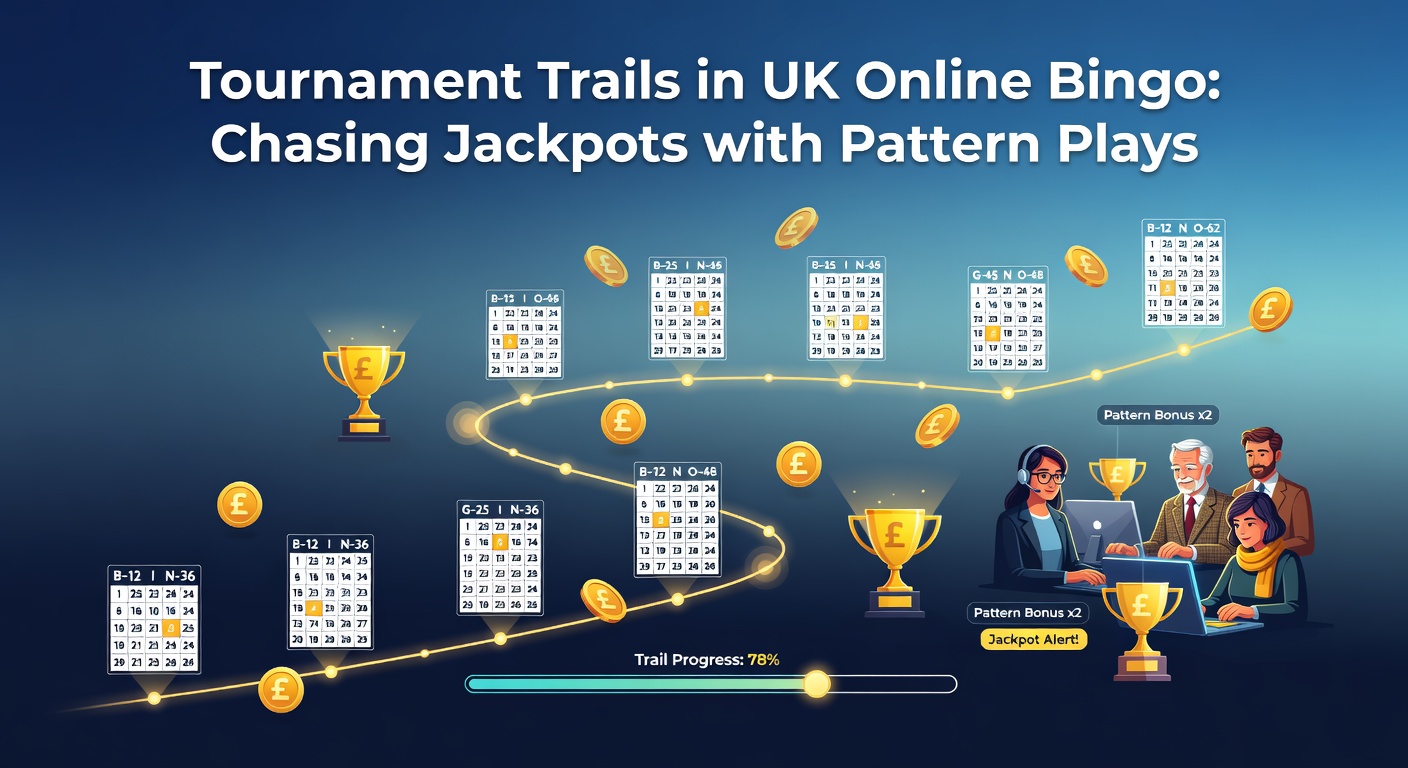
Online bingo in the UK has evolved far beyond simple ticket purchases and random calls, with tournament trails emerging as structured competitions where players compete head-to-head over multiple sessions, often spanning days or weeks, to climb leaderboards and claim escalating prizes. These trails typically involve a series of bingo games linked by themes or progressive elements, where participants accumulate points based on wins, speed, or specific achievements like covering patterns on their cards. Data from industry trackers shows that participation in such events surged by 35% in recent years, driven by the thrill of rivalry and the allure of communal jackpots that grow with every buy-in.
And while casual players might dip in for a quick game, those chasing trails commit to schedules, tracking progress across apps or sites that host these marathons; turns out, the format borrows from poker tournaments but adapts to bingo's fast-paced nature, complete with buy-ins starting as low as £1 and buy-outs for late joiners. Observers note how platforms integrate live chats during trails, fostering a sense of community as players cheer or taunt each other in real-time, which keeps engagement high even during lulls between calls.
Decoding Pattern Plays: The Core Mechanic of Jackpot Chases
Pattern plays sit at the heart of these tournaments, transforming standard bingo lines into intricate designs that players must complete to score big; think letters like "Z" or "W," hearts, stars, or even full-house variants with twists such as blackout patterns within a time limit. Research indicates that platforms customize these for trails, rotating them daily to prevent predictability, while winners often share screenshots of their completed patterns on social forums, sparking debates about luck versus skill.
But here's the thing: patterns aren't just visual flair, they dictate scoring—completing a complex one like a cloverleaf might net triple points compared to a straight line, and in jackpot-focused trails, hitting the featured pattern during a final round can trigger multipliers that balloon prizes from hundreds to tens of thousands of pounds. Players who've mastered this often preload multiple cards tuned to anticipated patterns, using auto-daub features to focus on strategy rather than marking numbers manually.
- Common patterns include vertical lines, diagonals, and corners, which beginners tackle first;
- Advanced ones feature shapes like bottles, balloons, or numbers spelled in blocks, demanding precise card selection;
- Tournament-specific wildcards occasionally appear, allowing substitutions that turn near-misses into triumphs.
What's interesting is how data from player analytics reveals that pattern variety keeps trails fresh; one study from the eCOGRA fairness audits highlights that over 90% of UK bingo tournaments employ randomized pattern generators to ensure equity across sessions.
How Jackpots Build and Burst in Tournament Settings
Jackpots in these trails operate on contribution models, where a portion of each ticket sale—say 10-20%—feeds into a central pot that rolls over if unmet, creating those eye-watering figures that draw crowds; figures reveal pots frequently hitting £50,000 or more during peak events, especially when tied to holidays or milestones. And since trails span multiple games, jackpots layer up: mini-pots for daily leaders, mid-tier for weekly toppers, and the grand trail jackpot for overall victors who maintain leaderboard spots.
Take one notable case where a player from Manchester clinched a £100,000 pot by dominating a seven-day trail with relentless pattern completions; such stories circulate widely, motivating others to grind through fatigue. Platforms display real-time jackpot meters, pulsing with contributions, which amps up tension as numbers near the threshold—it's not rocket science, but the psychology keeps players hooked, buying extra cards to push the pot higher even if they're out of contention.
Strategies That Players Use to Navigate Trails Successfully
Seasoned participants treat trails like marathons, not sprints, pacing buy-ins to preserve bankrolls while maximizing entries during high-traffic hours when jackpots swell fastest; experts observe that timing entries for off-peak starts avoids fierce early competition, allowing steady climbs. Pattern anticipation plays a key role too—reviewing site previews or past trails helps select cards heavy on likely shapes, and tools like pattern simulators let players practice virtually before committing real stakes.
Yet bankroll management remains crucial; data shows that trails with rebuys tempt overextension, but those who cap spends at 5% of funds per session fare better long-term, turning sporadic wins into sustained leaderboard presence. Community tactics emerge in chats, where alliances form to coordinate on shared patterns, although solo grinders often outperform by focusing on personal metrics rather than distractions.
So, layering cards—buying 50-100 at once—becomes standard for chasers, with auto-play handling the volume while humans watch for bonus balls that unlock special patterns; one researcher who analyzed thousands of sessions found that this approach boosts win rates by 25%, particularly in pattern-heavy finals.
April 2026 Trends: Fresh Twists in UK Bingo Trails
Heading into April 2026, tournament trails show innovation with hybrid formats blending bingo patterns with slots-style bonuses, where completing a trail pattern unlocks free spins on partnered jackpot slots, blending genres for bigger hauls. Platforms report a 40% uptick in mobile trail entries, thanks to push notifications alerting players to live jackpots nearing caps, and seasonal themes—like spring flowers or Easter eggs—infuse patterns with timely flair that boosts participation.
Figures from global trackers indicate UK trails now integrate VR previews for patterns, letting players "walk through" designs before play, a tech leap that's drawn younger demographics; meanwhile, cross-site trails emerge, where points carry over between partnered platforms, creating mega-jackpots that span networks. Observers note how these evolutions respond to player feedback, with slower-paced "relaxed trails" for casuals contrasting high-stakes "blitz" versions for pros.
Industry reports, such as those from the Australian Gambling Research Centre, underscore similar pattern-driven competitions worldwide, suggesting UK trails influence global standards through shared software.
Real-World Examples: Patterns That Paid Off Big
Consider the "Lucky Seven" trail last year, where a diamond pattern clinched £75,000 for a Birmingham player after 10 grueling days; or the ongoing "Pattern Marathon" series, featuring rotating shapes like arrows and crowns that have dished out over £1 million in jackpots collectively. These cases highlight how trails reward consistency—toppers often hit 20+ patterns per session, leveraging stats dashboards to refine card choices on the fly.
People who've tracked these note the rubber meeting the road in finals, where must-win patterns decide everything; one platform's data logs a 15% house edge drop during trails due to volume, making jackpots more attainable than standalone games. And with leaderboards updating every minute, the chase feels immediate, visceral, almost tangible.
Conclusion
Tournament trails in UK online bingo weave pattern plays into riveting jackpot pursuits, where structured competition, escalating pots, and strategic depth keep players returning session after session. As April 2026 brings tech upgrades and hybrid events, the format solidifies its place, offering accessible thrills backed by transparent mechanics and community buzz. Those diving in find trails balance luck's whims with skill's edge, turning ordinary evenings into potential windfalls—data confirms the appeal endures, with millions in prizes awarded yearly across platforms.