Navigating Multi-Level Gaming Experiences From Backgammon Boards to Affiliate-Driven Platforms
Written by Yves Jung · Jun 24, 2026

Navigating Multi-Level Gaming Experiences From Backgammon Boards to Affiliate-Driven Platforms
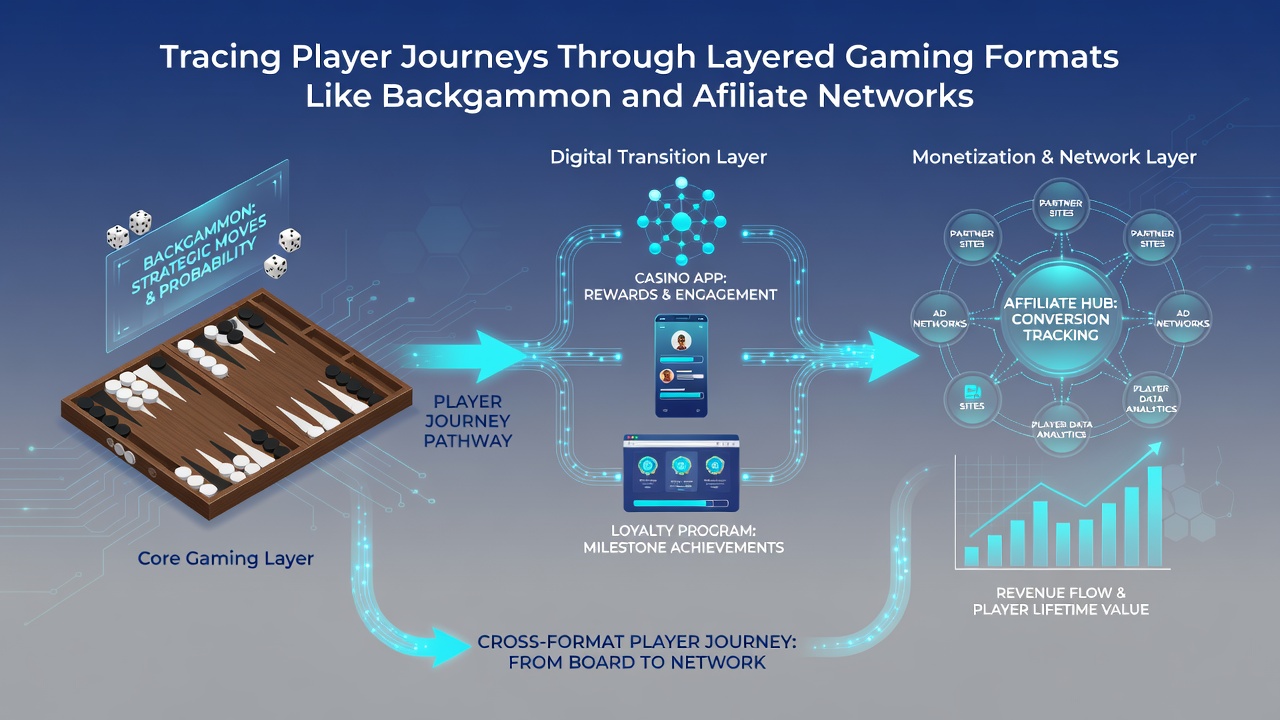
Players often begin their engagement with gaming formats through accessible entry points such as backgammon tables found in both physical venues and digital platforms where rules remain consistent yet social dynamics shift based on environment and participant experience levels. Observers note that these initial interactions frequently expand into broader participation across multiple formats because individuals discover overlapping skills like probability assessment and strategic positioning that transfer readily from one game type to another.
Entry Points and Skill Development Patterns
Backgammon serves as a foundational layer in many gaming sequences since its combination of dice rolls and tactical movement introduces core concepts of risk management without requiring extensive prior knowledge. Data from industry reports shows participants who start with this format tend to progress toward card-based games or slot variations within three to six months on average as they seek variations in pace and complexity. Researchers at institutions tracking behavioral trends have documented how early exposure builds familiarity with betting mechanics that later influence choices in more advanced structures.
Affiliate networks operate as connective tissue across these layers by directing traffic through structured referral systems that reward platforms for guiding users along specific routes. In June 2026 regulatory updates from the Nevada Gaming Control Board highlighted increased scrutiny on how such networks log player transitions to ensure transparency in promotional activities. Those networks maintain detailed records of session durations and game selections which reveal patterns where backgammon enthusiasts often migrate toward hybrid formats combining elements of skill and chance.
Tracking Mechanisms in Layered Environments
Systems designed to monitor these journeys employ cookies and unique identifiers that follow activity across sites while complying with data protection standards established in various jurisdictions. Figures released by the Australian Institute of Family Studies indicate that approximately 40 percent of tracked users engage with at least two distinct gaming categories within their first year of activity. This statistic underscores the interconnected nature of formats where traditional board game enthusiasts discover online extensions through promotional channels managed by affiliate partners.
One notable case involves a European gaming operator that integrated backgammon modules into its primary casino interface and observed a measurable uptick in cross-format engagement according to internal analytics shared at trade conferences. Participants who entered via affiliate links demonstrated longer retention periods because the networks provided tailored recommendations based on prior session data. Such integration highlights how layered formats encourage sustained involvement rather than isolated play sessions.
Regional Variations and Network Influences
Geographic differences shape these pathways significantly since regulatory frameworks in Canada emphasize responsible gaming prompts that appear at transition points between formats. Players in those regions encounter prompts reminding them of session limits when affiliate systems detect shifts from casual backgammon rounds to higher-stakes environments. Meanwhile academic papers from the University of Nevada Reno examine how cultural preferences affect migration rates with certain demographics favoring skill-oriented games longer before exploring chance-based options promoted through networks.
Networks themselves evolve by incorporating machine learning to predict likely next steps for individual users based on historical patterns. Evidence suggests these predictive tools increase conversion rates across formats although exact percentages vary by operator and target audience. The reality is that successful tracking relies on seamless data flow between backgammon providers and broader casino ecosystems which affiliate structures facilitate through standardized reporting protocols.
Future Trajectories in Composite Gaming Systems
As platforms continue layering additional formats the role of affiliate networks expands to include educational content that eases transitions for newcomers. Reports from the European Gaming and Betting Association project steady growth in cross-format participation through 2027 with backgammon maintaining steady appeal as an onboarding tool. Those projections align with observed increases in mobile accessibility that allow players to move fluidly between formats during daily routines.
Conclusion
Tracing these journeys reveals a dynamic ecosystem where traditional elements like backgammon anchor broader participation supported by affiliate mechanisms that connect disparate layers. Continued monitoring by regional authorities ensures these systems prioritize user protection while enabling exploration across formats. The patterns documented through June 2026 reflect ongoing adaptation rather than static structures.