Mapping the Flows of Gamers Between Specialized Digital Environments in Britain's Changing Entertainment Landscape
Written by Morgan Perry · Jun 26, 2026
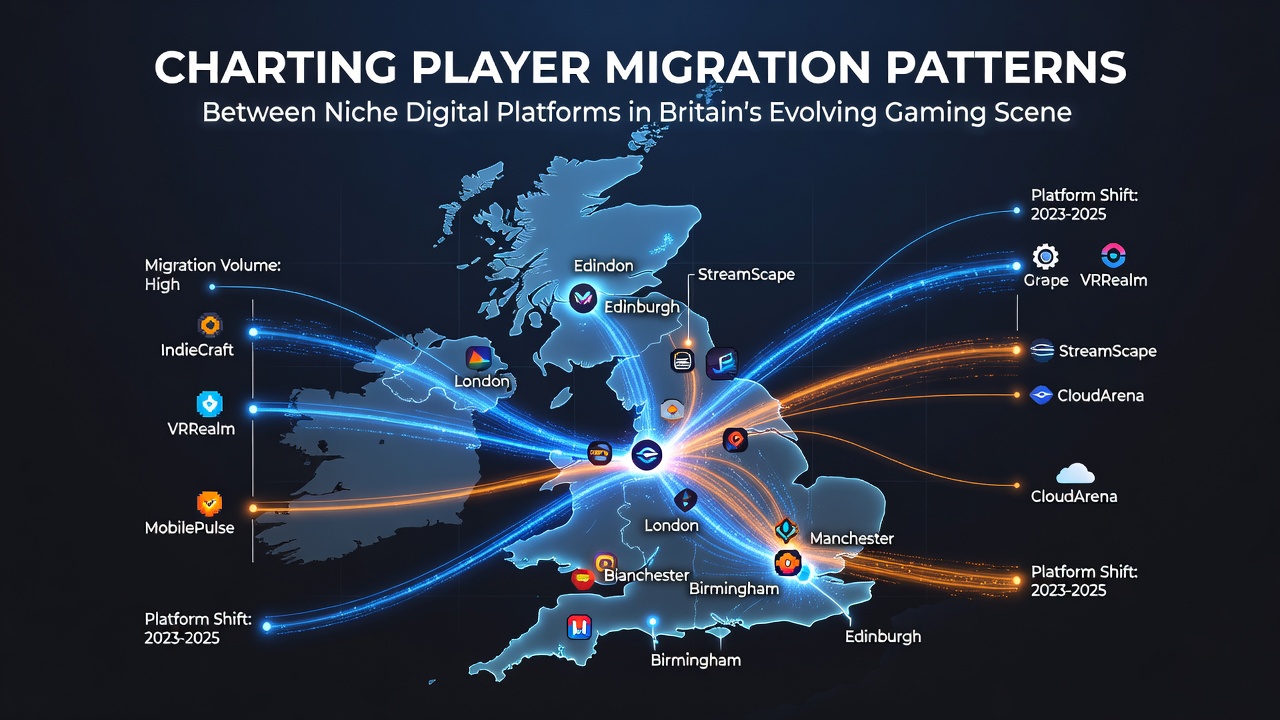
Mapping the Flows of Gamers Between Specialized Digital Environments in Britain's Changing Entertainment Landscape
Britain's gaming sector continues to expand through 2026 with players shifting between various niche platforms that offer distinct experiences ranging from indie development hubs to virtual reality communities and competitive esports environments. Data collected up to June 2026 shows measurable patterns in how users move from one specialized service to another based on factors such as technological access, community features, and content variety. Researchers at institutions like the University of Alberta have documented similar transitions in North American markets, providing comparative context for European observers.
Platform operators note that many users begin on mainstream digital storefronts before exploring smaller services focused on specific genres or interaction styles. For instance, participants who start with broad multiplayer titles often relocate to dedicated spaces for simulation games or narrative-driven experiences where customization options prove more extensive. These movements occur steadily rather than in sudden waves, according to industry reports from the Entertainment Software Association.
Key Drivers Behind Platform Transitions
Technology adoption plays a central role in these shifts. As hardware prices decrease and internet infrastructure improves across the United Kingdom, more individuals gain entry to platforms requiring higher bandwidth or specialized equipment. Observers note that virtual reality environments attract users from traditional screen-based services once compatible headsets become available at lower costs. Studies from Australian academic sources highlight parallel trends where affordability directly correlates with increased platform exploration.
Community dynamics also influence decisions. Niche platforms frequently develop around shared interests like retro gaming preservation or collaborative world-building, drawing participants away from larger networks that prioritize broad appeal. Data indicates that users who value direct creator interaction tend to migrate toward services emphasizing open development tools and user-generated content. This pattern appears consistent across regions monitored by trade organizations in Canada and the European Union.
Documented Patterns in User Movement
Analysis of engagement metrics reveals recurring sequences in player behavior. Many start with accessible mobile or browser-based options before progressing to dedicated applications that support deeper customization. Those who engage with competitive formats often sample multiple esports-focused platforms before settling on environments that match their preferred game types and scheduling flexibility. Figures from mid-2026 show continued growth in cross-platform participation, particularly among younger demographics.
Regional variations emerge within Britain itself. Urban areas with stronger connectivity infrastructure report higher rates of movement toward advanced simulation platforms, whereas participants in other locations maintain longer stays on established services. A research paper published through Canadian university channels compared these domestic patterns with international examples, noting that local content availability affects retention rates on niche sites.
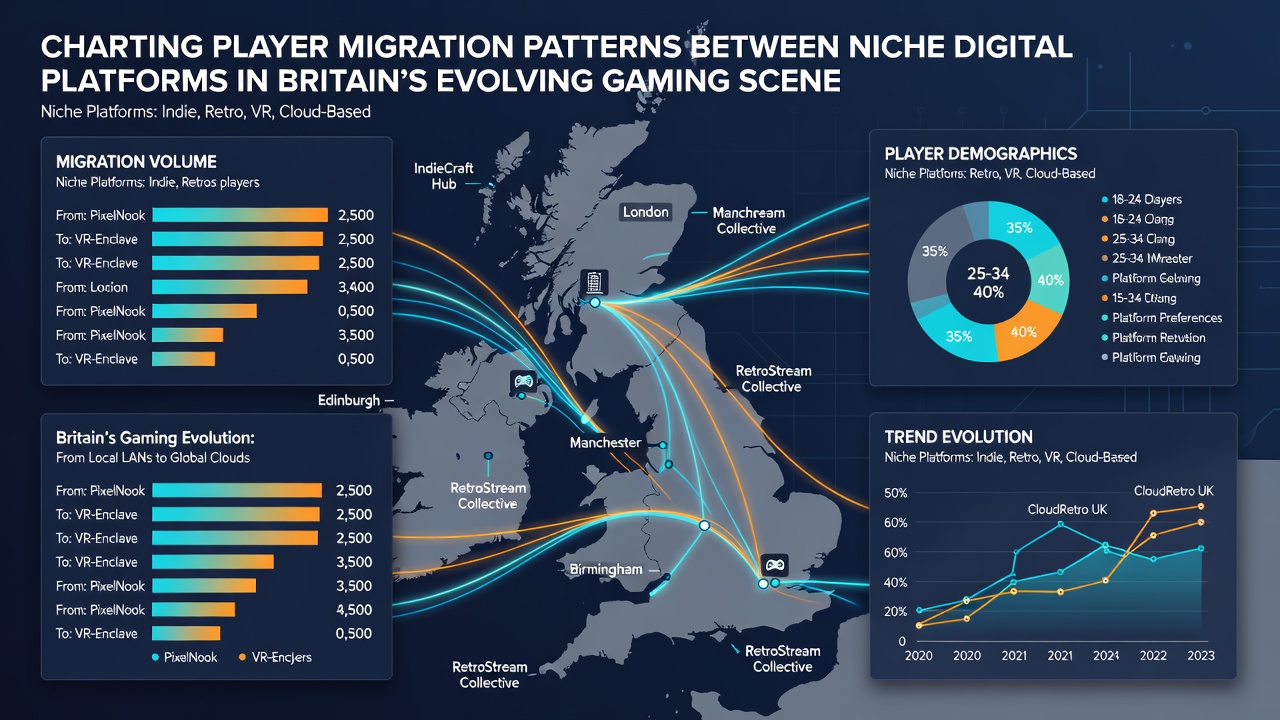
Impact of Platform Features on Retention
Services that integrate social tools and regular content updates tend to experience slower outward migration. Features such as integrated voice communication, event calendars, and achievement tracking keep users engaged longer according to aggregated usage statistics. In contrast, platforms with limited update cycles see participants depart once initial novelty diminishes.
Payment models represent another variable. Subscription-based environments retain certain user segments more effectively than those relying on one-time purchases or microtransactions, particularly when content libraries expand consistently. Data gathered through 2026 indicates these preferences hold steady across multiple platform types operating within Britain.
Future Trajectories Through Mid-2026 and Beyond
Emerging technologies continue to reshape available options. Augmented reality applications and cloud-streaming services attract attention from users previously focused on installed software, creating new migration pathways. Industry associations track these developments through regular surveys that capture shifts in preferred access methods.
Collaboration between platform developers and hardware manufacturers may accelerate certain transitions. Joint initiatives announced earlier in the year aim to simplify account transfers and progress synchronization, potentially reducing friction for users exploring multiple environments simultaneously. Such changes align with broader efforts to support flexible engagement across specialized digital spaces.
Conclusion
Player movements between niche digital platforms reflect ongoing adaptations to technological capabilities, community structures, and content offerings within Britain's gaming sector. Patterns observed through June 2026 demonstrate steady rather than abrupt changes, influenced by regional infrastructure and individual preferences. Continued monitoring by research bodies and trade groups provides ongoing insights into these dynamics across varied markets.