Legacy Board Game Dynamics Influencing Retention Trends in Britain's Digital Gaming Ecosystem
Written by Sam Baumann · Jun 29, 2026
Legacy Board Game Dynamics Influencing Retention Trends in Britain's Digital Gaming Ecosystem
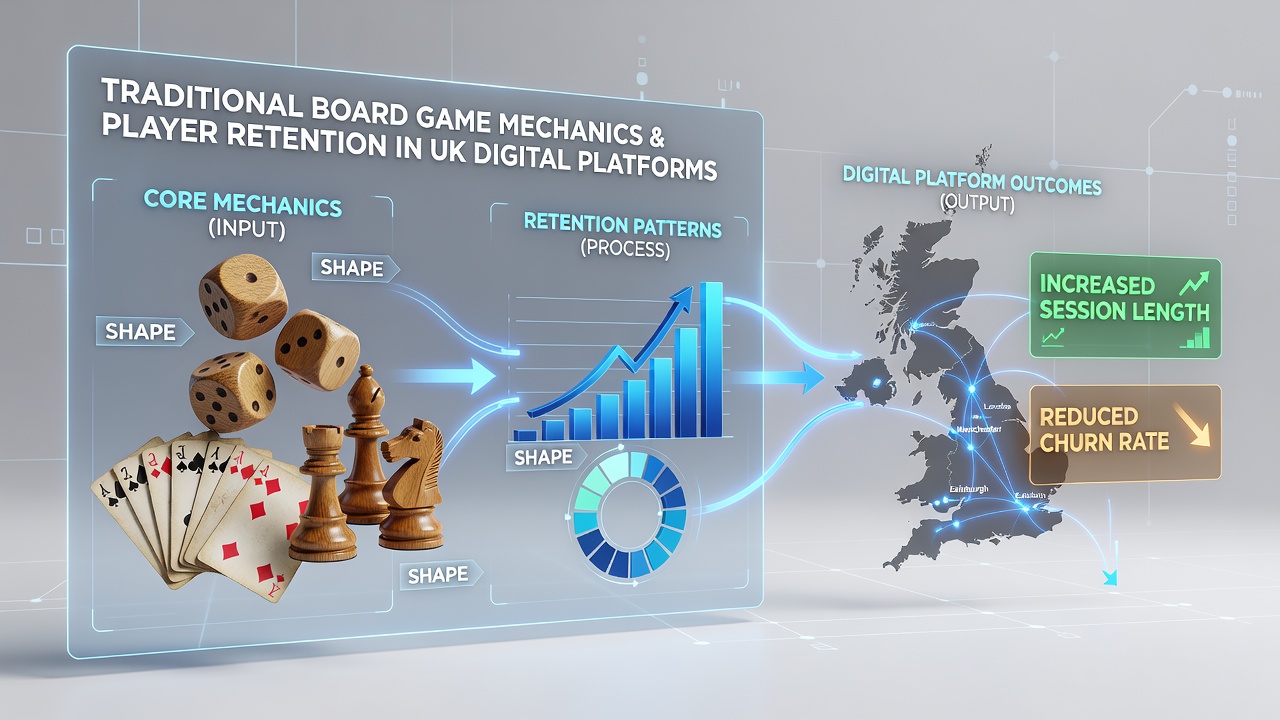
Traditional board game mechanics continue to underpin engagement strategies across numerous UK digital gaming platforms where designers adapt familiar structures such as turn sequencing, resource accumulation and strategic positioning to sustain longer user sessions and repeated visits. These elements draw from centuries-old designs yet translate effectively into mobile and desktop environments that encourage habitual returns through predictable progression loops and competitive frameworks. Observers note that platforms integrating these patterns often record steadier retention metrics compared with those relying solely on novel visual effects or random rewards.
Core Mechanics Transferred from Physical Boards to Digital Formats
Turn-based progression remains one of the most replicated features because it imposes natural pacing that mirrors classic chess or backgammon matches while allowing asynchronous play that fits fragmented daily schedules. Players advance through discrete rounds that build anticipation between logins and create clear checkpoints for achievement tracking. Resource management systems adapted from titles like Monopoly further reinforce retention because they layer short-term decisions onto long-term accumulation goals that reward consistent participation over weeks or months. Digital versions frequently incorporate visual feedback for property development or token advancement which strengthens the sense of investment without requiring physical setup time.
Chance versus skill balance also carries over directly from board game heritage. Platforms embed dice rolls or card draws within otherwise deterministic frameworks so that outcomes feel fair yet unpredictable enough to maintain interest across repeated attempts. This mixture encourages players to refine tactics while accepting variance that prevents perfect predictability. Studies from Canadian research institutions have highlighted how such hybrid systems correlate with extended play durations in digital environments because they satisfy both mastery-seeking and novelty-seeking user segments simultaneously.
Retention Patterns Observed Across UK Platforms
Data collected through platform analytics reveals distinct patterns where users exposed to board-derived mechanics demonstrate higher return rates within the first seven days after initial download. The structured nature of these systems provides immediate feedback on progress which reduces early drop-off compared with purely narrative-driven experiences. Weekly challenges modeled on board game tournaments further amplify this effect by introducing social comparison elements that prompt users to check in regularly for leaderboard updates or shared scoring events.
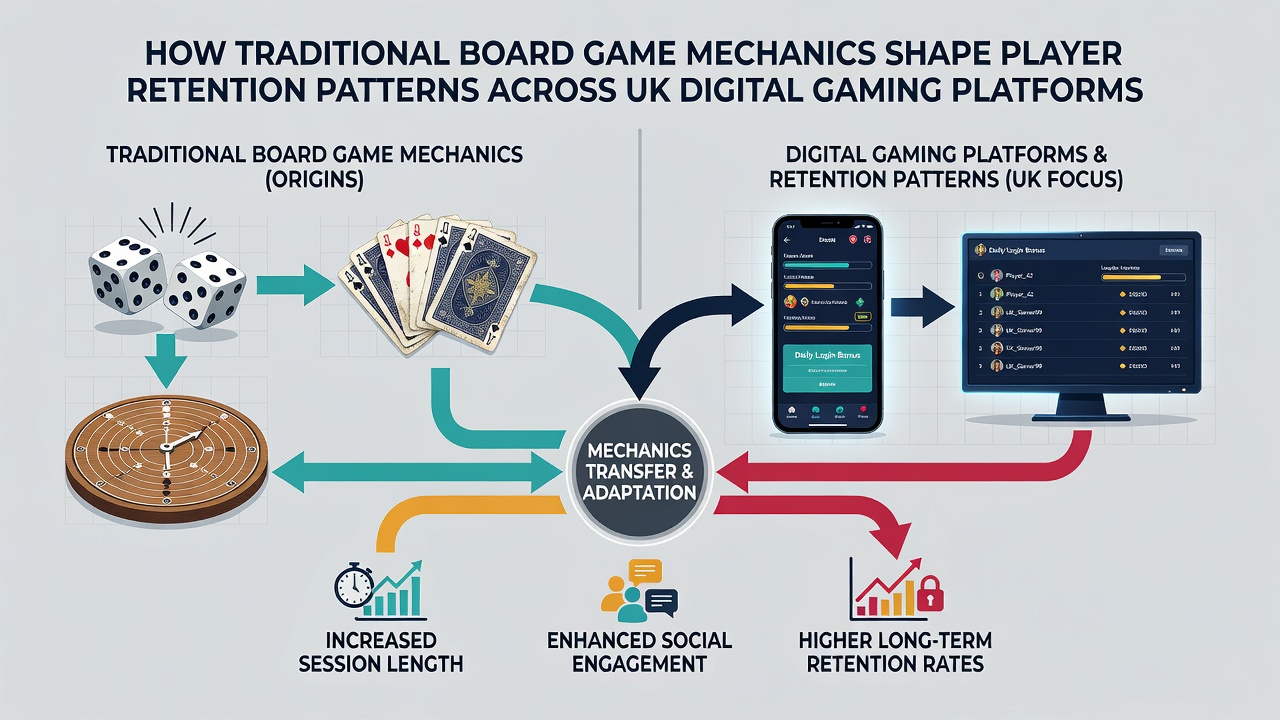
As of June 2026 platform operators continue to refine these mechanics in response to evolving user behaviors with many introducing adaptive difficulty adjustments that scale according to individual performance histories. Such refinements help maintain challenge levels that feel neither too easy nor overwhelmingly complex thereby supporting sustained engagement across diverse age groups. European academic analyses have documented similar trends where retention curves flatten more gradually when progression systems incorporate incremental milestones borrowed from physical board games rather than abrupt level gates common in other genres.
Integration of Social and Competitive Elements
Multiplayer modes derived from board game conventions introduce another retention driver because they leverage established social dynamics around shared decision-making and direct confrontation. Platforms that enable real-time or turn-based matches against friends or strangers report elevated session lengths as participants coordinate strategies or react to opponents moves in ways that echo living-room gatherings. These interactions create emotional stakes that extend beyond solitary play and encourage recurring participation to maintain rankings or complete team objectives.
Observers have tracked how leaderboards and achievement sharing replicate the satisfaction of winning a physical game night yet operate continuously across time zones. This persistent competition fosters habitual checking behaviors that translate into stronger overall retention statistics for the hosting platforms. Industry reports from Australian gaming associations indicate that features allowing players to review past matches or analyze decision trees further deepen involvement by turning each session into a learning opportunity that builds toward future success.
Conclusion
Traditional board game mechanics supply a proven foundation for retention strategies on UK digital gaming platforms through their emphasis on structured progression, balanced risk and social interplay. Continued adaptation of these elements supports steady user engagement while accommodating modern access patterns. Research from varied international sources including university studies and regional gaming associations underscores the measurable impact of these design choices on long-term participation rates. Platforms that preserve core principles while updating interfaces and pacing maintain competitive positions in an evolving market.