Digital Pathways: How Player Choices at Blackjack Tables Influence Layered Earnings in UK Affiliate Networks
Written by Elena Keller · May 18, 2026
Digital Pathways: How Player Choices at Blackjack Tables Influence Layered Earnings in UK Affiliate Networks
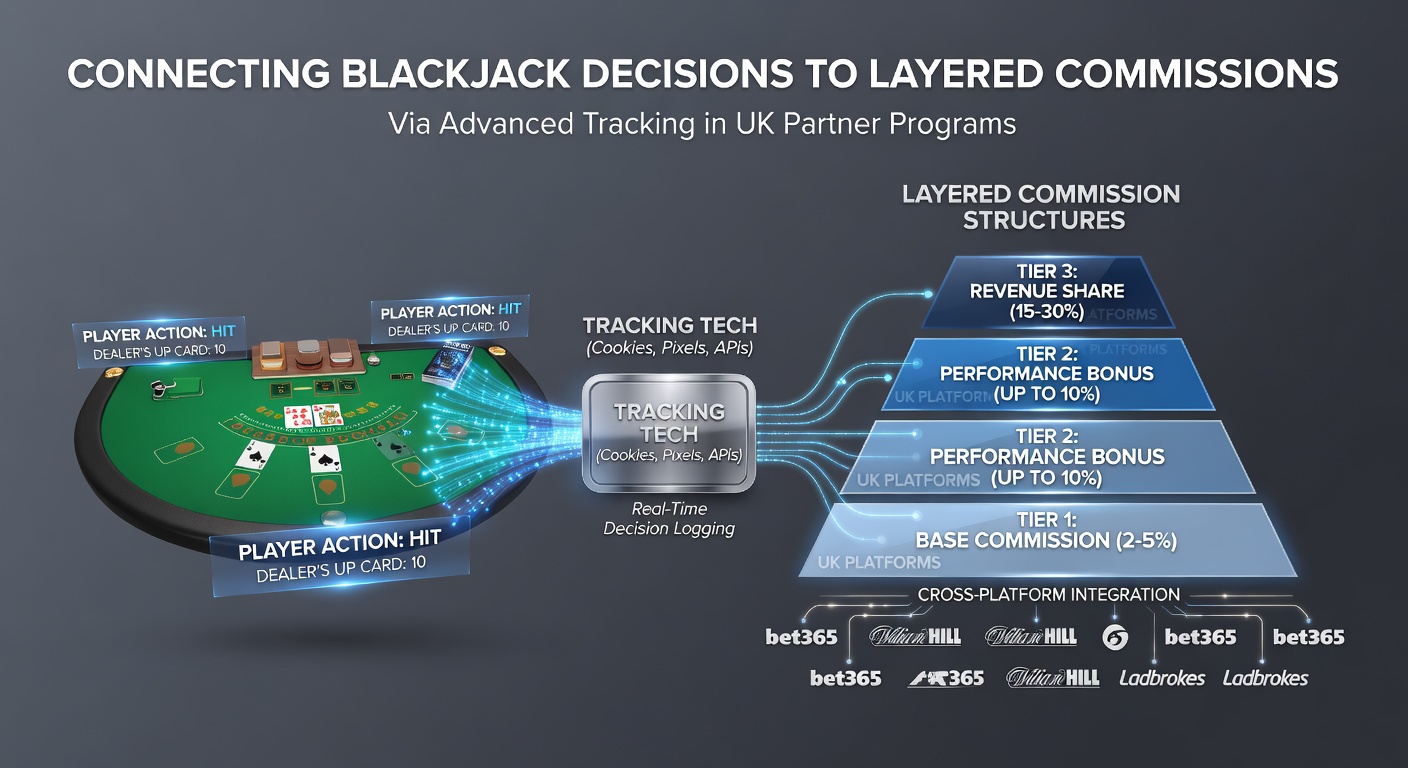
Tracking technologies in partner programs serve as the backbone for connecting specific blackjack decisions with multi-tiered commission structures on platforms operating across the UK, and these systems rely on cookies, device fingerprinting along with session analytics to monitor player actions in real time. Observers note that when users engage with blackjack tables, every bet placement, card choice, and session duration gets logged through affiliate links, which then feeds data into revenue models that distribute earnings among primary partners, sub-affiliates, and even deeper network layers. Research from the Canadian Centre for Gaming Research indicates that such integrations have grown steadily since 2023, with platforms using these tools to attribute player retention directly to commission calculations that can span three or four levels of participation.
Core Components of Tracking in Blackjack Environments
Platforms implement pixel-based trackers and unique referral codes that activate the moment a player arrives via an affiliate site, and these identifiers persist through extended gameplay sessions where decisions like splitting pairs or doubling down get recorded as behavioral signals. Experts have observed that this data helps distinguish between casual visitors and high-engagement users whose continued play influences payout tiers, since layered commission structures often reward not just initial deposits but ongoing activity measured in hours spent at virtual tables. A report issued by teh Australian Institute of Gambling Studies highlights how similar tracking frameworks in regulated markets correlate player move patterns with affiliate earnings, revealing that retention rates climb when systems accurately map strategic choices back to originating partners.
Connecting Decisions to Revenue Layers
Blackjack decisions such as insurance bets or surrender options generate timestamped data points that affiliate networks analyze to adjust commission shares, and this process allows primary partners to receive base revenue percentages while sub-affiliates earn smaller portions based on the same tracked activity. Data shows that platforms segment these insights by game type, enabling networks to allocate higher multipliers to affiliates whose referred players demonstrate consistent strategic engagement rather than random play. What's interesting is the way deep-linking technology extends this visibility across multiple tiers, so a single well-timed double-down by a user can ripple through the commission structure and boost earnings for partners several steps removed from the initial referral.
Industry organizations like the European Gaming and Betting Association have documented cases where integrated tracking solutions reduced attribution errors by up to 40 percent in multi-operator environments, and this precision matters because layered models depend on accurate separation of player value across different promotional channels. Those who've studied these systems know that real-time dashboards update commission forecasts as players progress through hands, incorporating factors like average bet size and frequency of side wagers to recalibrate payouts dynamically.

Regulatory Context and Upcoming Developments
UK-based operators must balance these tracking capabilities with data protection requirements while preparing for industry-wide discussions scheduled for May 2026 that focus on standardizing attribution methods across affiliate networks. Figures from independent research bodies reveal that current setups already support granular reporting, which helps networks comply with evolving standards without disrupting existing revenue flows tied to blackjack performance metrics. People often find that platforms refresh their tracking protocols ahead of such events to ensure sub-affiliate layers remain transparent and auditable.
Practical Examples from Network Operations
Take one network where a referred player consistently chooses basic strategy moves at blackjack tables, and the resulting session data flows upward to calculate bonuses for both the main affiliate and its recruited sub-partners who promoted the same link. Observers note that this creates incentive structures where affiliates encourage educational content around optimal play because sustained engagement directly lifts commission volumes across every level. Studies indicate that networks employing advanced fingerprinting see fewer disputes over credit assignment, allowing smoother distribution of earnings from games that feature complex decision trees like blackjack.
Yet the reality is that not every tracked decision carries equal weight, since platforms prioritize metrics such as lifetime value derived from repeat visits over isolated hand outcomes, and this weighting feeds into algorithms that determine percentage splits in layered programs. Researchers discovered through cross-market comparisons that UK platforms adopting these methods achieve tighter alignment between player behavior and partner compensation compared to less integrated systems elsewhere.
Conclusion
Overall, the interplay between tracking technologies and layered commission structures continues to shape how blackjack activity translates into partner earnings on UK platforms, with data from each player decision contributing to multi-level revenue calculations that reward sustained engagement. Industry reports underscore the technical sophistication involved, while upcoming forums in May 2026 promise further refinements to these processes across regulated environments. Those monitoring the sector recognize that precise attribution remains central to maintaining functional affiliate ecosystems that connect gameplay choices directly to financial outcomes at every network tier.