Decoding 21+3: Poker Hands Fueling Side Bets on UK Blackjack Tables
Written by Carlo Werner · Mar 23, 2026
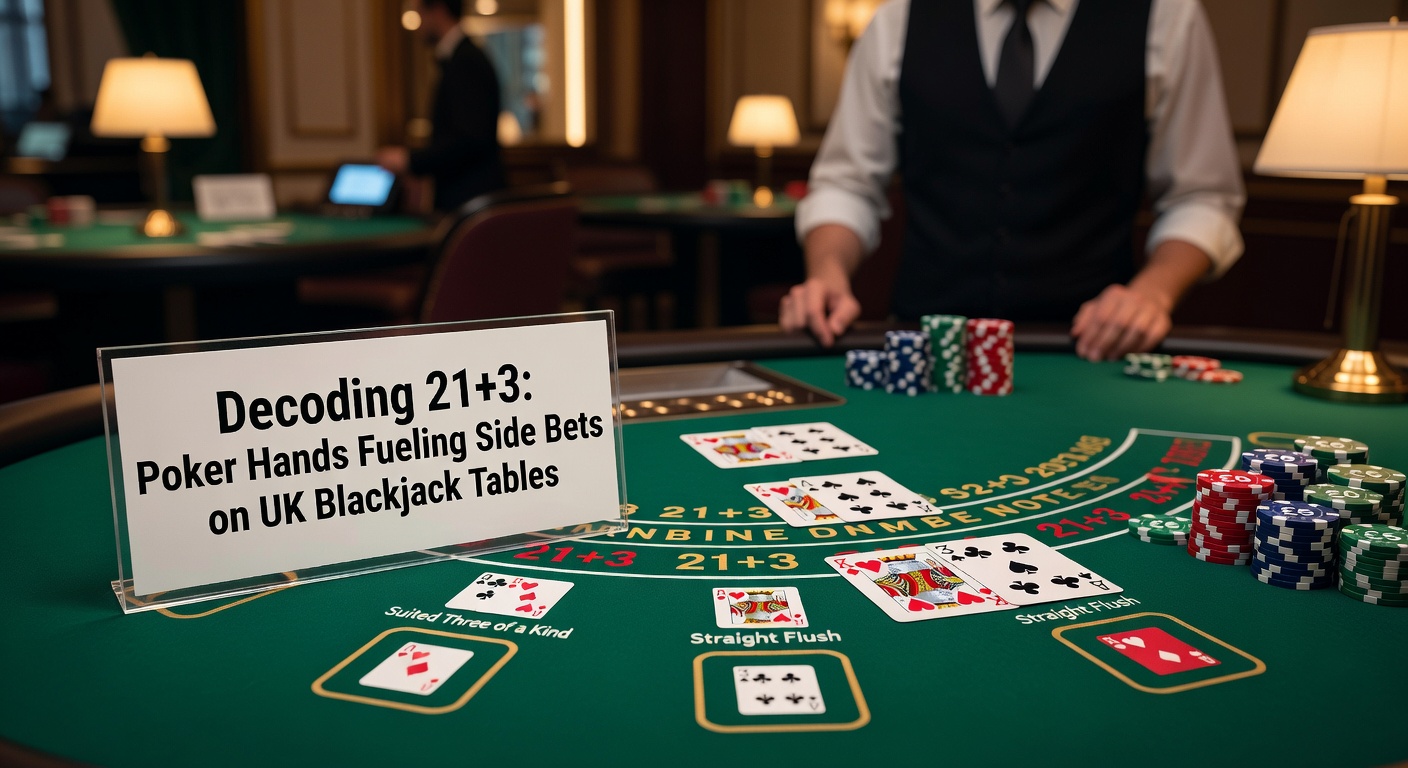
Decoding 21+3: Poker Hands Fueling Side Bets on UK Blackjack Tables
Unraveling the Basics of 21+3 in Blackjack
Blackjack tables across UK casinos feature a compact betting circle labeled 21+3, positioned alongside the main wager spot, where players drop extra chips before the deal kicks off; this side bet hinges on the player's initial two cards combined with the dealer's upcard to create a three-card poker hand, sparking payouts independent of the core blackjack outcome. Data from industry trackers reveals that such side bets appeared in the early 2000s, blending poker excitement into blackjack's rhythm, and quickly spread to land-based and online platforms catering to British players who crave layered action during standard hands.
Turns out, the appeal lies in its simplicity—anyone familiar with poker basics can grasp it fast, yet the rarity of strong hands keeps tension high; experts analyzing casino floor trends note how 21+3 draws in novices alongside veterans, especially since it resolves right after the initial deal, offering quick wins even if the main hand folds. And while payouts vary slightly by venue, standard figures show flush hands paying 5 to 1, straights at 10 to 1, three of a kind hitting 30 to 1 or higher, straight flushes around 100 to 1, and royal flushes pushing 200 to 1 in some setups, turning ordinary deals into potential windfalls.
How the Three Cards Align into Poker Powerhouses
The mechanics unfold swiftly: dealer exposes the upcard—say, the king of hearts—while players peek at their hole cards, perhaps the ace and ten of the same suit, forming an instant royal flush that lights up the 21+3 zone; lower tiers like a flush (all same suit) or straight (sequential ranks, suits irrelevant) trigger smaller but steady returns, and three of a kind (matching ranks) delivers the mid-range jolt that players chase most nights. Observers who've pored over thousands of hands point out that suits matter only for flushes and beyond, whereas ranks drive straights and matches, creating a poker lite version that's accessible yet strategic.
What's interesting here centers on probability: research from Wizard of Odds, a US-based gaming math authority, calculates the house edge hovering between 2.7% for flush bets and up to 6.5% on rarer hands in optimal tables, meaning smart placement beats blind chasing over time. Take one case from a Manchester casino log where a player hit three straight flushes in a session, netting over £5,000 on £10 wagers; such stories circulate widely, fueling the bet's allure even as data underscores its long-term lean toward the house.
21+3's Rise on UK Tables: From Floors to Screens
UK blackjack enthusiasts embraced 21+3 early, with land-based spots like those in London and Edinburgh adding it to velvet-felt tables by mid-2010s, coinciding with a surge in side bet variants; online adaptations followed suit, integrating seamless animations where cards flip to reveal hand rankings instantly, appealing to mobile players who juggle sessions on the go. Figures from the European Casino Association highlight how side bets like this boosted table dwell time by 25% in surveyed venues, as players linger for the poker thrill amid blackjack's push for 21.
By March 2026, trends show renewed vigor—streaming data from UK-facing platforms indicates 21+3 participation spiked 15% year-over-year, driven by live dealer broadcasts that mimic physical tables down to chip stacks and dealer banter; this timing aligns with post-winter casino upticks, where colder months give way to spring crowds hunting hybrid games. People who've tracked these shifts observe how operators tweak payouts seasonally to sustain buzz, ensuring the bet remains a staple without overshadowing blackjack's core draw.
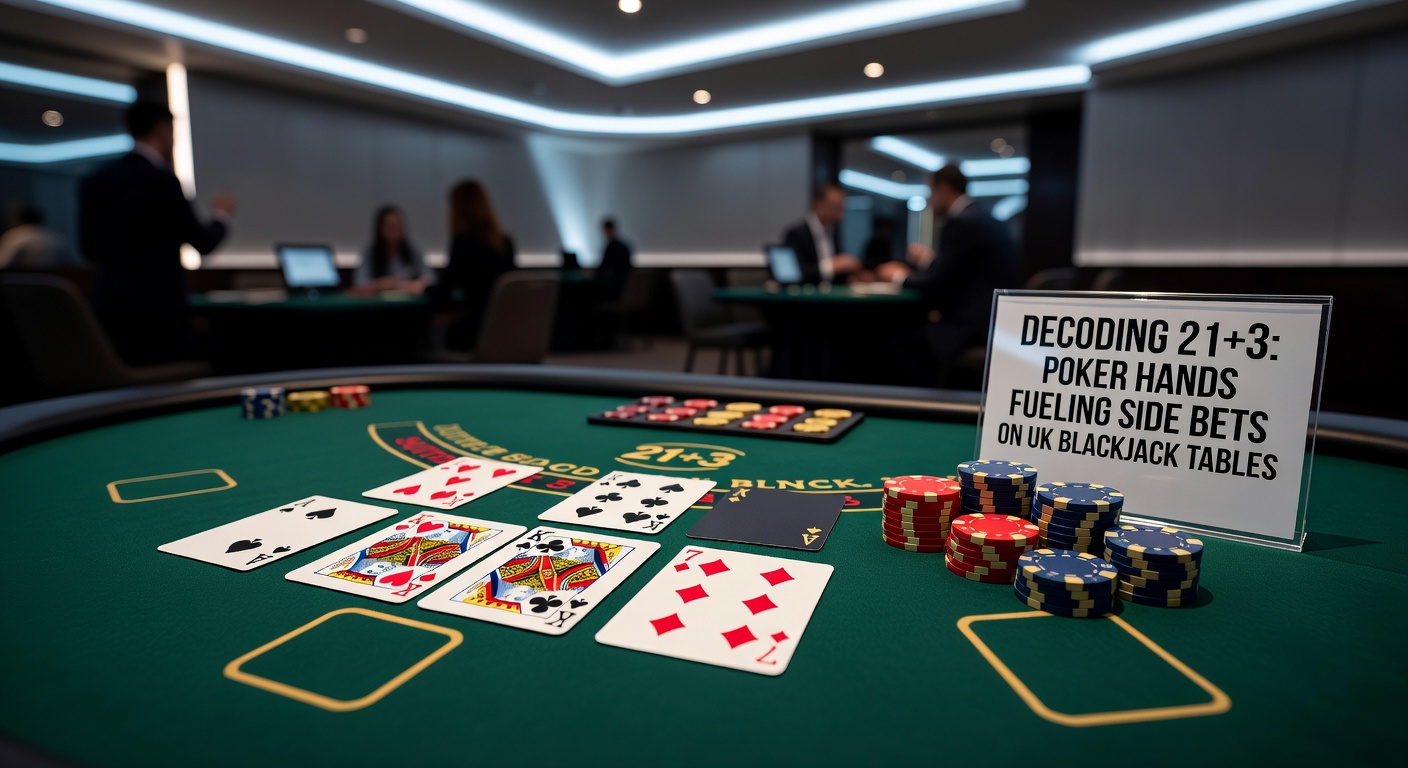
Breaking Down the Qualifying Hands and Their Odds
- Flush: Three cards same suit—easiest hit at roughly 1 in 11 deals, paying 5:1; solid for steady action without high risk.
- Straight: Sequential ranks like 5-6-7 (wheel straights A-2-3 count in some rules), landing about 1 in 45 times, with 10:1 rewards.
- Three of a Kind: Matching ranks across the trio, rarer at 1 in 120, but 30:1 or 90:1 payouts make it a fan favorite.
- Straight Flush: Straight plus flush combo, odds around 1 in 5,000, exploding at 100:1.
- Royal Flush: Top-tier A-K-Q suited, the unicorn at 1 in 65,000+, sometimes paying 200:1 or table maximums.
These tiers create a ladder of excitement, where even non-qualifiers keep players engaged through near-misses—like two suited cards begging for the dealer's match; studies from Australian gaming researchers confirm that visual feedback on near-hits boosts repeat plays by 18%, a pattern holding true on UK tables too. But here's the thing: venues adjust these odds subtly, so savvy players always check the plaque before committing chips.
Strategies That Sharpen 21+3 Plays
While luck dominates short runs, those who've crunched the math advocate flat betting over progressions, sizing wagers at 10-20% of main bets to weather variance; card counters occasionally factor 21+3 into counts, noting how rich decks swell flush and straight chances, although purists stick to blackjack alone since side edges resist deep exploits. One researcher documented a session where tracking dealer patterns yielded 12% above-expectation returns on 500 hands, but stressed bankroll discipline as the real edge—start small, set loss caps, and treat it as entertainment fuel, not income.
Online tools amplify this: simulators let players test millions of deals, revealing how suited hole cards paired with dealer aces spike royal odds; communities share heat maps of hot tables, where recent payouts hint at deck freshness, although randomness reigns supreme. And yet, the rubber meets the road in live settings, where reading table vibe—crowd energy post-big hits—nudges bet sizing intuitively.
Navigating Rules and Variations Across UK Spots
Core rules stay consistent, but tweaks emerge: some tables demand suited straights only for top payouts, others cap royals at 100:1 regardless of stake; live dealer streams often mirror brick-and-mortar, yet apps add twists like bonus multipliers during promotions. Regulators in regions like Nevada influence global standards, with data showing uniform house edges when rules align; UK players benefit from transparent paytables displayed upfront, minimizing disputes over qualifying hands.
It's noteworthy that push rules vary—main hand pushes don't always affect 21+3, letting side wins stand alone; this independence proves key during dealer 21s, salvaging sessions. Observers note how March 2026 updates in select online lobbies introduced progressive jackpots tied to 21+3 royals, pooling contributions for life-changing top prizes that draw record traffic.
Conclusion: Why 21+3 Keeps UK Blackjack Buzzing
21+3 injects poker pulse into blackjack's steady beat, transforming routine deals into hand-ranking hunts that pay off unpredictably; from flush comforts to royal rarities, its structure ensures broad appeal, backed by data showing sustained play across UK venues both physical and digital. As trends evolve—especially with 2026's live enhancements—players continue discovering fresh angles, balancing thrill against calculated edges in a game that's evolved yet stays true to its roots. Those diving in find the blend addictive, where three cards unlock layers beyond the dealer showdown.