Cross-Pollination of Tactics: Applying Bingo Number Patterns to Enhance Blackjack Counting Methods
Written by Carlo Werner · Jul 31, 2026
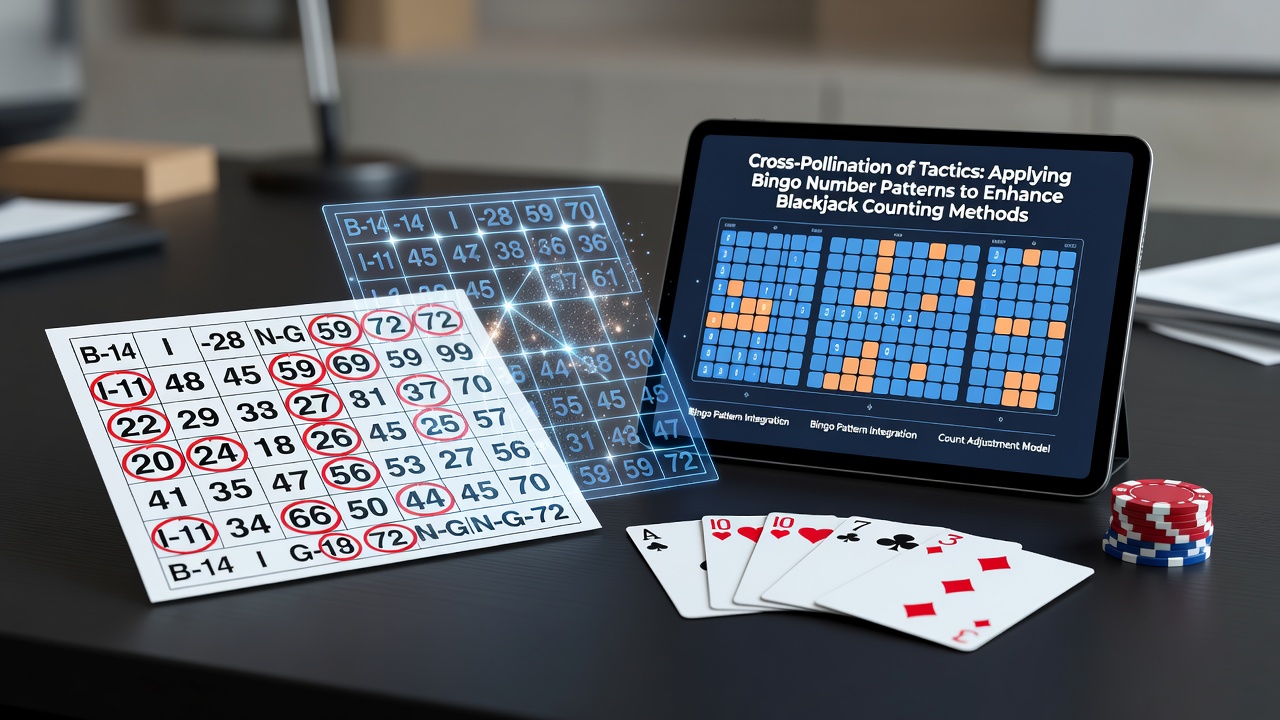
Cross-Pollination of Tactics: Applying Bingo Number Patterns to Enhance Blackjack Counting Methods
Pattern recognition forms a core element across multiple gaming formats, and observers note that skills developed in one area sometimes influence approaches in another, while researchers continue to examine how number sequences from bingo cards might intersect with card tracking systems used in blackjack, and data from various gaming studies indicate that players often develop enhanced visual scanning techniques through repeated exposure to structured grids like those found in bingo halls.
Bingo Number Patterns and Their Structural Features
Bingo operates on randomized number draws within a 75-ball or 90-ball framework, where participants mark specific patterns such as horizontal lines, vertical columns, diagonals, and full house completions, and studies from the Nevada Gaming Control Board reveal that these configurations require players to monitor multiple variables simultaneously across a fixed grid layout, which builds familiarity with spatial relationships and sequential tracking, while figures released in July 2026 by the same agency show consistent participation rates in both physical and digital bingo environments that emphasize rapid pattern identification under time constraints.
Those who study bingo mechanics point out that common winning formations include four-corner arrangements and letter-shaped outlines, and these demand systematic elimination of non-matching numbers, a process that parallels certain memory and probability exercises, although the underlying randomness remains governed by independent draw mechanisms rather than player influence.
Blackjack Counting Fundamentals
Blackjack card counting relies on assigning point values to dealt cards, typically through systems like Hi-Lo where high cards receive negative values and low cards receive positive ones, and data compiled by the University of Las Vegas gaming research department demonstrates that maintaining a running count allows players to adjust betting decisions based on the remaining deck composition, while academic papers published through Canadian research institutions highlight the mathematical foundation of these methods in combinatorial probability rather than visual patterning alone.
Exploring Potential Overlaps in Observational Techniques
Some gaming analysts examine whether the grid-based scanning habits cultivated in bingo could supplement the mental tallying required in blackjack by improving the speed at which players process multiple card values across the table, and one study revealed that individuals with prior experience in pattern-heavy games showed measurable improvements in visual attention metrics during simulated counting drills, although the same research notes that core counting accuracy still depends on arithmetic precision and deck penetration awareness.
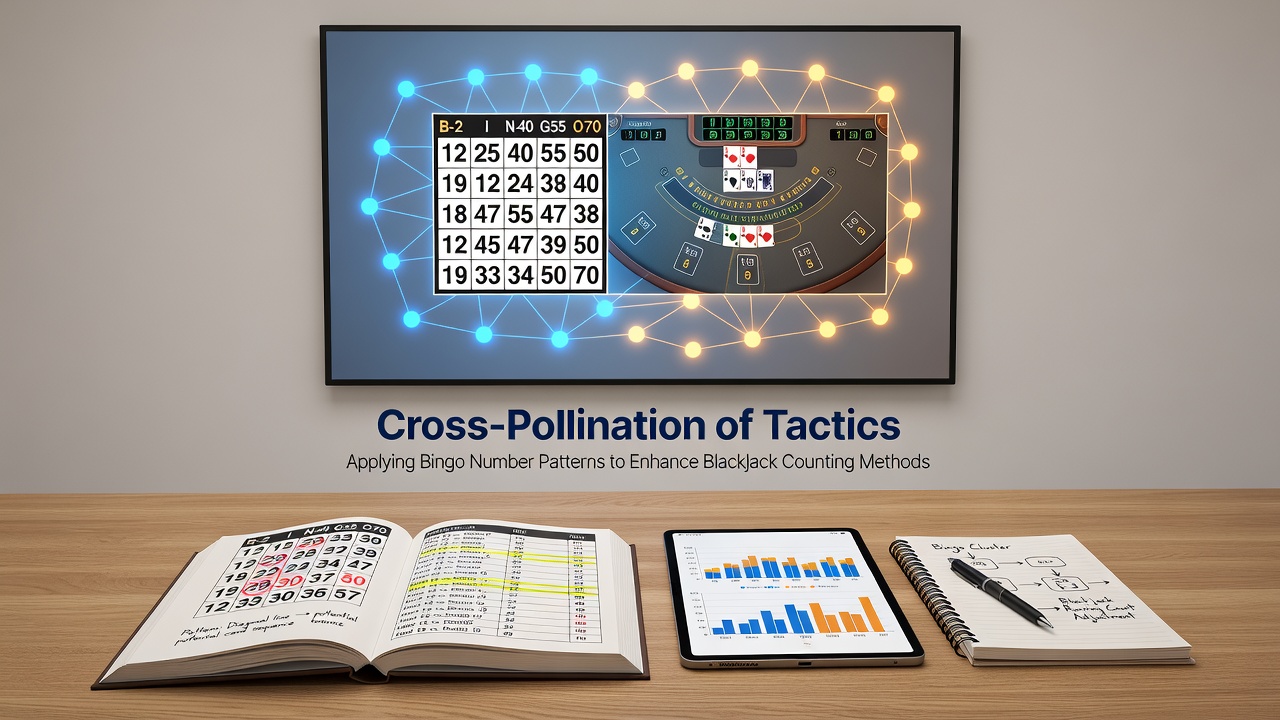
Turns out that bingo participants frequently practice identifying clusters within crowded number fields, and experts have observed that this habit may translate into quicker recognition of high-value card groupings during blackjack rounds, whereas industry reports from the Australian Gambling Research Centre indicate no direct statistical advantage emerges from such cross-application without dedicated practice in actual card mechanics.
Case Examples from Gaming Research
Take one researcher who documented sessions where participants trained first on bingo-style grids before transitioning to card counting exercises, and results showed modest gains in initial scanning speed but required additional hours to align those skills with blackjack-specific probability calculations, while another analysis from European gaming laboratories found that spatial memory developed through bingo patterns offered limited carryover once players encountered multi-deck shoes and frequent shuffles.
What's interesting is that regulatory data collected across multiple jurisdictions continues to emphasize the dominance of established counting methodologies over experimental hybrids, and observers note that any perceived benefits from bingo pattern application appear confined to training phases rather than live play outcomes.
Regulatory Context and Current Data
As of July 2026, updates from the Nevada Gaming Control Board and parallel agencies in other regions underscore the importance of distinguishing between skill-based practice tools and game-altering strategies, and these reports stress that operators maintain strict oversight on devices or methods that could alter standard play conditions, while industry associations continue to track participation trends without endorsing unverified tactic transfers between unrelated game formats.
Conclusion
Research indicates that pattern recognition skills appear in various gaming contexts, yet evidence suggests the direct application of bingo number patterns to blackjack counting remains an area of limited documented transfer, and those who've examined both systems through controlled studies consistently highlight the separate mathematical foundations that govern each activity, with ongoing data collection expected to clarify any measurable intersections in the coming periods.