Blending Mechanics Across Games: Card Table and Board Game Elements Reshaping Bingo on Linked Platforms
Written by Carlo Werner · Jul 20, 2026
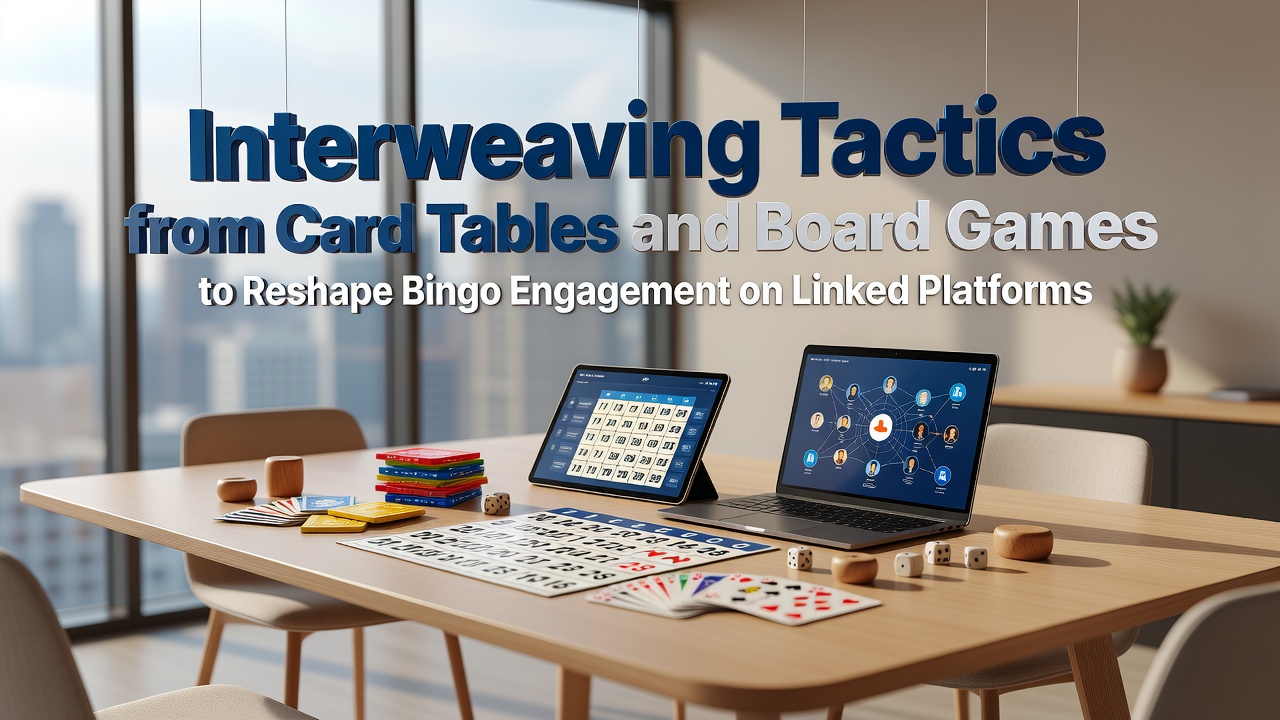
Blending Mechanics Across Games: Card Table and Board Game Elements Reshaping Bingo on Linked Platforms
Platforms that connect multiple gaming formats have started incorporating tactics from card tables and board games into bingo structures, and this shift has produced measurable changes in how sessions unfold for participants across digital networks. Data from industry tracking services shows participation rates on linked bingo environments rising steadily through 2025 and into mid-2026, with operators reporting session durations extending by an average of 12 to 18 minutes when hybrid mechanics appear. Those who've examined platform logs note that elements such as progressive card draws borrowed from poker and territory control systems drawn from board games create layered decision points inside traditional bingo grids.
Core Mechanics Migrating from Card Tables
Card table games contribute several transferable elements that operators now embed directly into bingo rounds. Community card reveals, once limited to poker variants, now appear in some bingo halls as shared bonus numbers that all players access simultaneously, and this setup allows strategic positioning similar to hold'em formats. Blackjack doubling mechanics translate into optional wager multipliers that players activate mid-round based on remaining card counts, while research compiled by the Nevada Gaming Control Board indicates that such additions correlate with higher average bets per session on connected sites. Observers note that bluffing indicators, adapted as visible risk meters, give participants cues about when to commit extra stakes without altering the core number-matching foundation of bingo itself.
Board Game Structures Entering Bingo Flows
Board game design patterns bring progression systems and resource management layers that extend beyond single rounds. Territory expansion ideas from games like Risk appear as map-based bonuses where completing specific number sequences unlocks regional multipliers, and these features encourage repeated logins on linked platforms. Monopoly-style property accumulation translates into collection mechanics where players gather virtual deeds through consistent bingo line completions, building toward larger jackpot tiers that release only after thresholds are met. Studies published through academic channels at institutions such as the University of Waterloo have tracked how these layered objectives increase retention metrics by creating longer-term goals that span multiple days or weeks rather than isolated sessions.
Integration Patterns on Linked Platforms
Linked platforms function as unified ecosystems where progress carries across game types, so a player advancing a board game collection in one area can apply those gains during bingo rounds hosted on the same network. Data released in July 2026 by the Canadian Gaming Association revealed that platforms employing cross-game inventories saw a 27 percent uptick in cross-title activity compared with isolated bingo offerings. Operators achieve this connectivity through shared user profiles that track accumulated resources, allowing card table tactics like hand ranking to influence bingo prize pools when players meet certain collection milestones. The result is a continuous loop where engagement in one format feeds directly into advantages in another without requiring separate accounts or transfers.
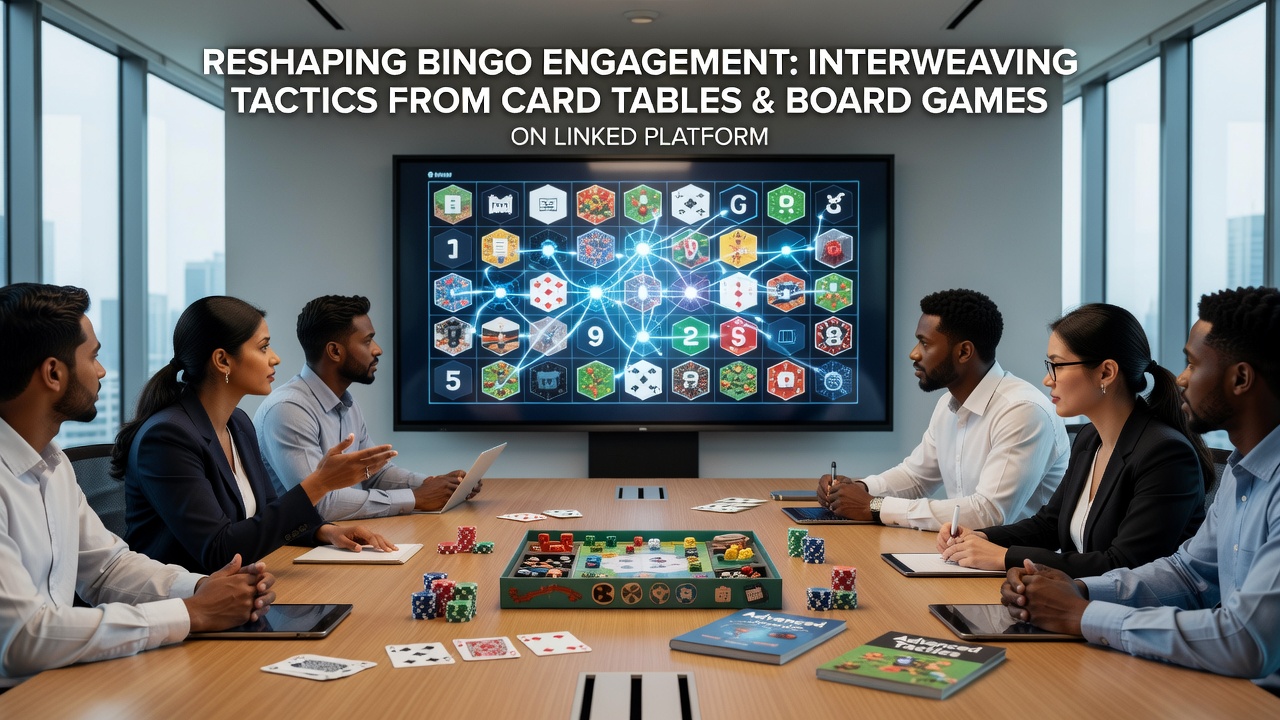
Take one platform cluster that introduced a hybrid feature set in early 2025. Players there accumulate strategy points through board game style movement on a shared map while simultaneously participating in bingo draws, and completing map segments unlocks card table inspired side challenges that boost bingo payouts. Figures from internal analytics shared with trade publications indicate these combined systems reduced player churn by noticeable margins while maintaining compliance wth regional payout regulations. What's notable is the way operators calibrate the frequency of these hybrid triggers to avoid overwhelming core bingo participants who prefer straightforward number calls.
Regulatory and Technical Considerations
Regulators in multiple jurisdictions have begun reviewing how these blended mechanics affect responsible gaming standards. The Australian Communications and Media Authority issued updated guidance in 2025 that addresses visibility of risk indicators borrowed from card games, requiring clear separation between optional strategic elements and mandatory bingo components. Technical implementation relies on real-time synchronization across servers so that board game progress updates instantly affect bingo availability, and this demands robust API connections between previously separate game engines. Platform developers report that testing cycles now include cross-format simulations to verify that borrowed tactics do not inadvertently create unfair advantages or violate fairness algorithms mandated by oversight bodies.
Player Behavior Patterns Emerging from Hybrids
Behavioral tracking on these platforms shows distinct clusters of activity. One group engages primarily with the card table overlays, treating bingo as a base layer for poker-like decisions, while another focuses on board game progression and views bingo rounds as steps toward larger map objectives. Research compiled by the European Gaming and Betting Association indicates that hybrid users tend to maintain accounts longer than single-format participants, with average monthly active days increasing from 4.2 to 6.8 across sampled networks. These patterns emerge because the interweaved tactics provide multiple entry points for different player preferences without requiring separate platform visits.
Conclusion
Card table and board game tactics continue to integrate into bingo environments on linked platforms through deliberate design choices that preserve core matching rules while adding decision layers. As of July 2026, available data from regulatory and industry sources demonstrates sustained growth in session metrics and cross-format activity where these elements appear. Technical and compliance frameworks have adapted to support such blending, and player behavior records reflect measurable shifts in engagement duration and retention when progression systems span multiple game types. The ongoing evolution centers on calibration of these mechanics to maintain balance across participant groups while operating within established regulatory boundaries.