17 Jun 2026
Adaptations in Digital Table Game Rules on Britain's Licensed Platforms and Corresponding Player Behavior Changes
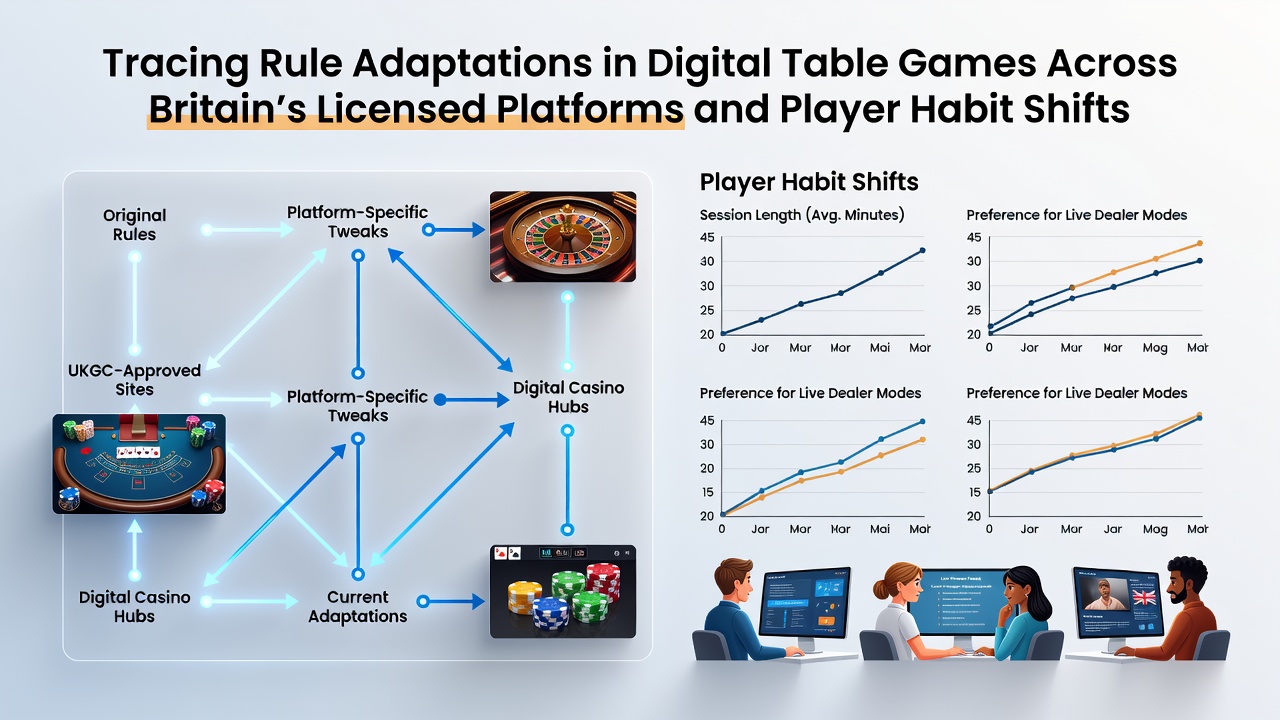
Rule modifications in digital table games have accelerated across Britain's licensed platforms as operators respond to technological capabilities along with evolving compliance requirements, and observers note that these adjustments often appear first in blackjack variants where automated dealing systems allow precise control over side bet structures and payout ratios that differ from traditional formats. Researchers tracking these developments point out that many platforms introduced dynamic rule sets by early 2025 which permitted real-time adjustments based on player volume while maintaining licensing standards, yet the pace picked up noticeably around June 2026 when several major operators rolled out updated interfaces incorporating player-selected rule toggles for games like European roulette and baccarat.
Those monitoring habit shifts report that players increasingly gravitate toward sessions featuring abbreviated round times with integrated decision aids, and data from industry reports shows participation in standard table game lobbies declining by measurable margins as users migrate to hybrid formats that blend classic mechanics with customizable parameters such as adjustable deck penetration or modified insurance options. Studies conducted through academic partnerships have documented how mobile engagement patterns favor these streamlined experiences because shorter decision windows align better with fragmented attention spans during commuting or brief breaks, which explains why platforms prioritize rule adaptations that reduce cognitive load without altering core probabilities.
Key Rule Modifications Across Major Table Games
Blackjack implementations on licensed sites frequently feature variations in doubling restrictions and surrender availability that operators calibrate according to traffic analytics, while roulette adaptations include the addition of racetrack betting interfaces alongside traditional layouts that accommodate quicker chip placements through touch-optimized grids. Baccarat tables meanwhile have seen adjustments to commission structures on banker bets along with the introduction of squeeze simulations that replicate physical card handling through animated sequences, and these changes emerged systematically as platforms integrated feedback loops from user data collected over multiple quarters leading into 2026.
Player Habit Evolution and Platform Responses
Engagement metrics reveal a clear movement toward asynchronous table game participation where individuals join ongoing sessions rather than waiting for dedicated tables to fill, and this pattern accelerated after platforms enabled rule previews that let users simulate outcomes before committing stakes. Analysts examining these trends highlight how social integration features such as chat-enabled lobbies and shared result histories encourage longer dwell times even as individual round durations shorten, creating a paradox that benefits retention figures across multiple operators. What's interesting here involves the correlation between rule transparency tools and repeat visits, since players who access detailed probability breakdowns tend to experiment with varied betting systems more frequently than those navigating static rule sets.
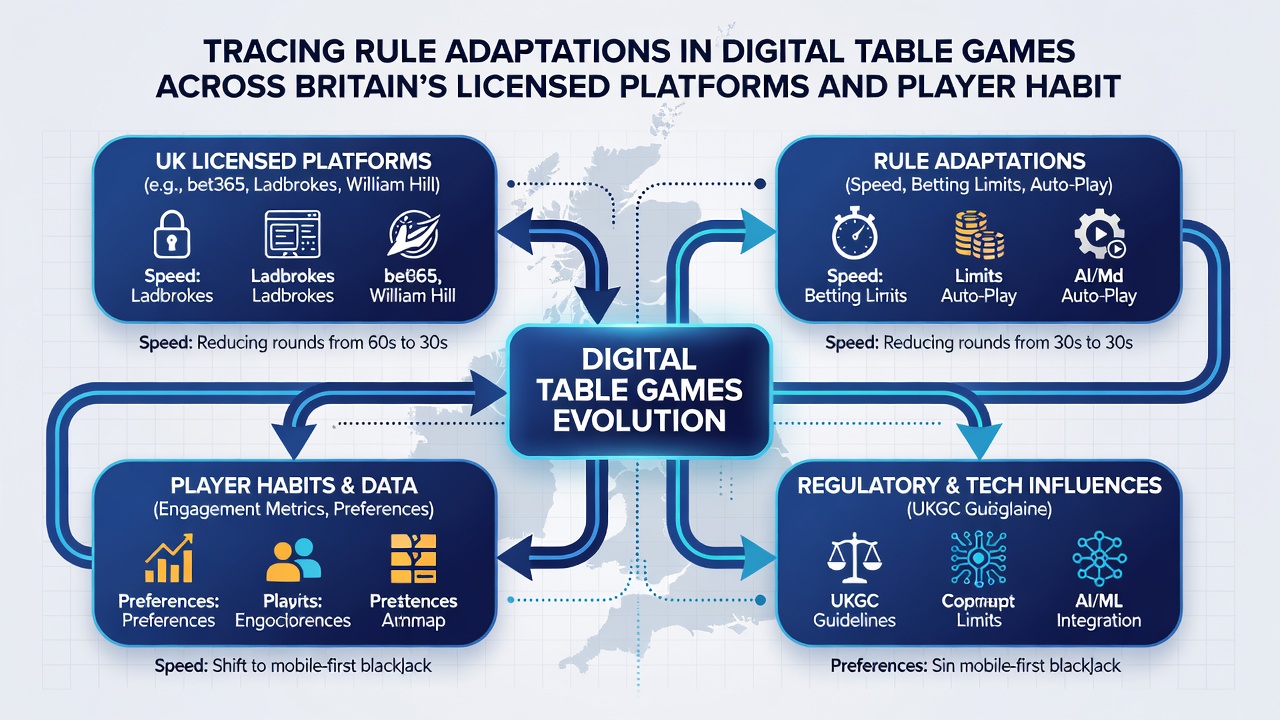
Further examination shows that demographic segments differ markedly in their adoption rates, with younger cohorts demonstrating stronger preferences for rule variants that incorporate progressive jackpot elements or multi-hand options executed simultaneously, whereas established players maintain loyalty to formats preserving closer fidelity to land-based equivalents. Platforms address these divergences through segmented lobbies that surface adapted rules according to historical play data, allowing seamless transitions between experiences without requiring separate accounts or navigation paths.
Regulatory Influences on Adaptation Timelines
Licensing frameworks require thorough documentation of any rule alterations before deployment, which has prompted operators to develop modular game engines capable of swift reconfiguration while preserving audit trails for oversight bodies. Reports from research institutions such as the University of Nevada Las Vegas Center for Gaming Research indicate that similar modular approaches gained traction internationally by mid-2025, providing British platforms with tested frameworks that reduced implementation cycles from months to weeks. And although these technical solutions streamline compliance processes, they also enable granular A/B testing of rule combinations that directly informs which adaptations sustain player interest over extended periods.
External data compiled by organizations tracking global digital gaming patterns, including analyses from the Australian Gaming Research Centre, underscores parallels in habit formation where users exposed to flexible rule environments exhibit higher exploration rates across game types. British platforms appear to leverage these insights when calibrating features like auto-play limits tied to specific rule profiles, ensuring sessions remain within responsible boundaries while accommodating preference shifts observed in longitudinal studies.
Conclusion
Rule adaptations in digital table games continue evolving in response to both platform capabilities and documented changes in how participants interact with licensed offerings, and the patterns established through 2026 suggest ongoing refinement rather than stabilization. Observers tracking these developments emphasize the importance of sustained data collection to understand long-term implications for engagement across Britain's regulated environment, particularly as new interfaces and customization layers integrate more deeply into standard offerings.