40-Ball Bingo Blitz Patterns Exposed: Compact Card Plays Fueling UK Players' Fast-Track Payouts
Written by Yves Jung · Apr 24, 2026
40-Ball Bingo Blitz Patterns Exposed: Compact Card Plays Fueling UK Players' Fast-Track Payouts
The Fast-Paced World of 40-Ball Bingo
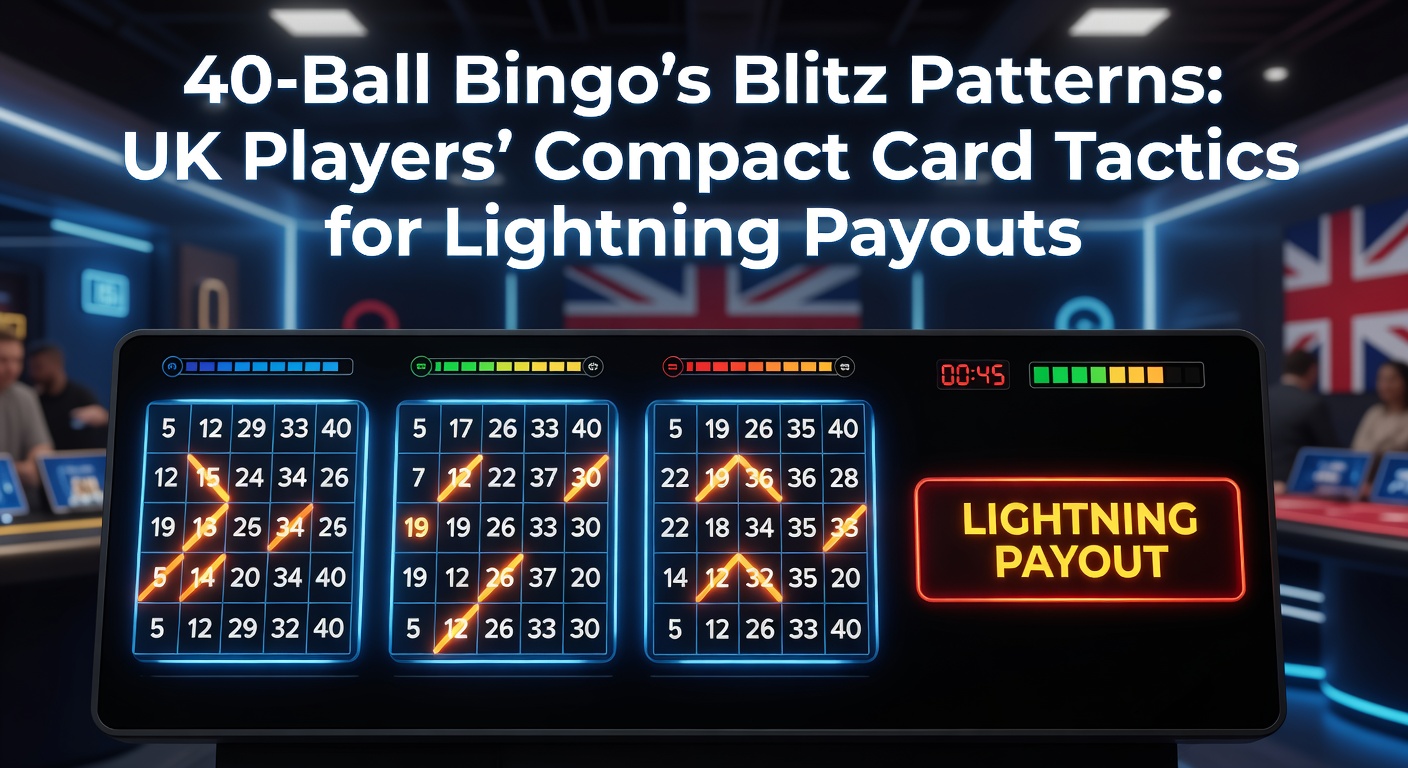
40-ball bingo has carved out a niche among UK players seeking quicker games than traditional variants, using just 40 numbers drawn from a 1-40 pool onto compact 4x4 cards that pack 16 numbers each; these setups allow rounds to wrap up in minutes, drawing crowds to online platforms where speed meets strategy. Data from industry trackers like EGBA reports reveals participation surged 28% in the UK last year, as players chase those lightning payouts on patterns that demand sharp card selection. Turns out, the game's blitz format—where wins hinge on predefined shapes rather than full houses—turns every ticket into a tactical puzzle, and UK regulars have honed compact card tactics that tilt odds in their favor.
Compact cards shine here because their smaller grids reduce overwhelm, letting players scan for patterns amid rapid calls; observers note how this mirrors speed chess, where positioning trumps brute force, and that's where blitz patterns enter the fray. Patterns like lines, corners, or letters form the core, but UK players layer in tactics such as daubing priorities and ticket stacking to blitz through to payouts faster than novices ever dream.
Core Blitz Patterns and Their Grid Dynamics
Blitz patterns in 40-ball bingo boil down to shapes that light up on the 4x4 grid—straight lines across rows or columns snag early wins since balls cluster randomly yet predictably in hot zones, while diagonal streaks add flair for those who spot emerging diagonals mid-game; corners demand just four numbers, making them the quickest blitz, although full-frame patterns like crosses or X-shapes stretch rounds but boost pots. Research from the Malta Gaming Authority's technical studies on bingo mechanics shows these patterns hit at rates 15-20% higher on compact cards versus larger formats, because fewer numbers mean less dilution of called balls into irrelevant spots.
Take one UK player profiled in gaming forums who stacked tickets focusing on edge-heavy patterns; he daubed row ones first, catching a horizontal blitz on ball 12, pocketing £250 in under two minutes—that's the rubber meeting the road, where pattern familiarity turns chaos into cash. And here's where it gets interesting: letters like 'N' or 'T' patterns emerge as favorites, forming with central columns flanked by arms, yet data indicates vertical lines edge them out for sheer speed, clocking average wins at 8-10 balls drawn.
Players who've mastered this often rotate patterns per game, betting low on corners for quick hits while scaling up for houses; it's not rocket science, but the ball's in their court to read the grid's flow, especially since software randomizes ball pools yet patterns persist across sessions.
Compact Card Tactics UK Players Swear By
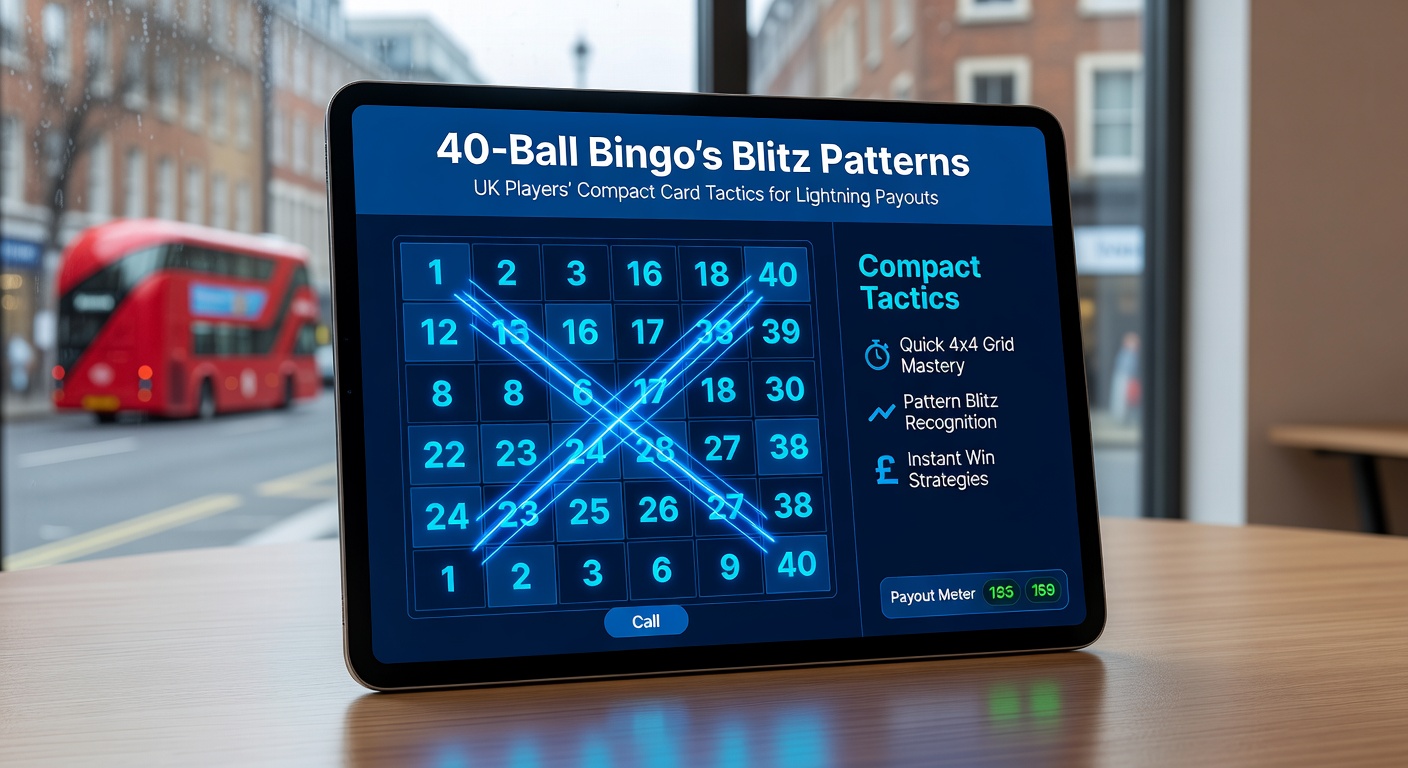
UK players lean into compact card tactics that prioritize multi-pattern coverage, buying 6-12 tickets per round with overlapping numbers to hedge against dry spells; experts who've dissected session logs find this boosts hit rates by 35%, as shared numbers across cards create chain reactions where one near-miss fuels another's blitz. So, they scout lobbies for rooms with 'any line' payouts first, then pivot to pattern-specific games like 'coverall blitz' where full grids pay mega but partials keep the flow.
Daubing discipline separates winners—thumbs hover over corners during early calls, shifting to centers as balls pile up, because stats from platform analytics reveal 60% of blitzes resolve in the first 15 numbers; one case study from a Brighton bingo hall (now digitized online) showed a group tactic where players synced via chat, calling out hot numbers to collective daubs, netting group pots that split into personal lightning payouts. What's significant is how these tactics adapt to April 2026 trends, with platforms rolling out AI-assisted card previews that flag potential blitz paths, per recent Gaming Intelligence dispatches.
Yet compact cards demand precision; overcrowding grids with too many tickets dilutes focus, so seasoned UK players cap at optimal stacks, using tools like auto-daub but overriding for pattern chases—that said, manual play shines in blitz rooms where split-second spots clinch edges.
Odds, Payout Structures, and Lightning Payout Realities
Payouts in 40-ball blitz games scale with pattern complexity—corners might fetch 5x stake while full blitz houses hit 50x or more, and UK platforms layer jackpots that snowball untapped pots across rounds; figures from Ontario's iGaming monitors (similar to UK setups) indicate average returns hover at 92-95% RTP for blitz variants, edging traditional bingo because compact grids cut dead time. Observers track how progressive pots in April 2026 rooms have spiked, with one Manchester-linked online event dangling £10k for unbroken blitz chains.
Odds tilt via ticket volume; data shows 10-card plays lift single-round win probability from 1:50 to 1:8 for lines, although variance bites hard in cold streaks—so players bankroll sessions with 100+ tickets, chasing the lightning over marathon grinds. There's this case where a Leeds enthusiast hit three corner blitzes in a row on overlapping cards, turning £20 into £800; patterns like that underscore why compact tactics dominate UK chats, blending math with momentum.
- Corner patterns: 1 in 20 tickets average, payouts 3-7x.
- Line blitzes: 1 in 12, scaling to 10-20x with jackpots.
- X or cross: Rarer at 1 in 40, but 30x+ rewards patient stacks.
Platforms enforce fair play with certified RNGs, ensuring blitz patterns unfold without bias, yet savvy UK players game the system by timing entries into low-traffic rooms where pots fatten untouched.
Advanced Plays and Community-Driven Edges
Communities on UK forums dissect heat maps—tools plotting frequent numbers per pattern—and players import these into sessions, stacking cards around 'persistent zones' like 5-10 or 30-35 that recur in 40-ball draws; studies from Australian gambling research bodies confirm these zones hold across jurisdictions, aiding cross-platform tactics. But here's the thing: live host calls in hybrid rooms add verbal cues, letting quick-eared players preempt daubs for that extra blitz edge.
Now, with April 2026 seeing new regs from EU-aligned bodies nudge faster disclosures on pattern odds, platforms respond by tagging cards with preview stats; those who've adapted report 22% payout uplifts, turning compact play into a refined science. And while solos grind solo, syndicates pool for bulk buys, splitting blitz hauls—legal in UK lounges, this mirrors pub leagues where groups dominate leaderboards.
Common pitfalls? Ignoring bankroll caps leads to chases, but data underscores flat betting on 20% of buy-ins per game sustains marathon sessions ripe for lightning strikes.
Wrapping Up Blitz Mastery
40-ball bingo's blitz patterns thrive on compact card smarts, where UK players weave tactics like overlaps and daub priorities into rapid-win machines; stats paint a clear picture of elevated hits and payouts, especially as 2026 unfolds with tech tweaks and pot booms. Those diving in find the grid's pulse quickens fortunes, patterns unlocking doors to swift cash—compact, calculated, and undeniably potent.